02 / Authorship
When the portrait has no sitter.
How to label synthetic portraits without inventing identities, locations or experiences. Read the difference between illustration and evidence.
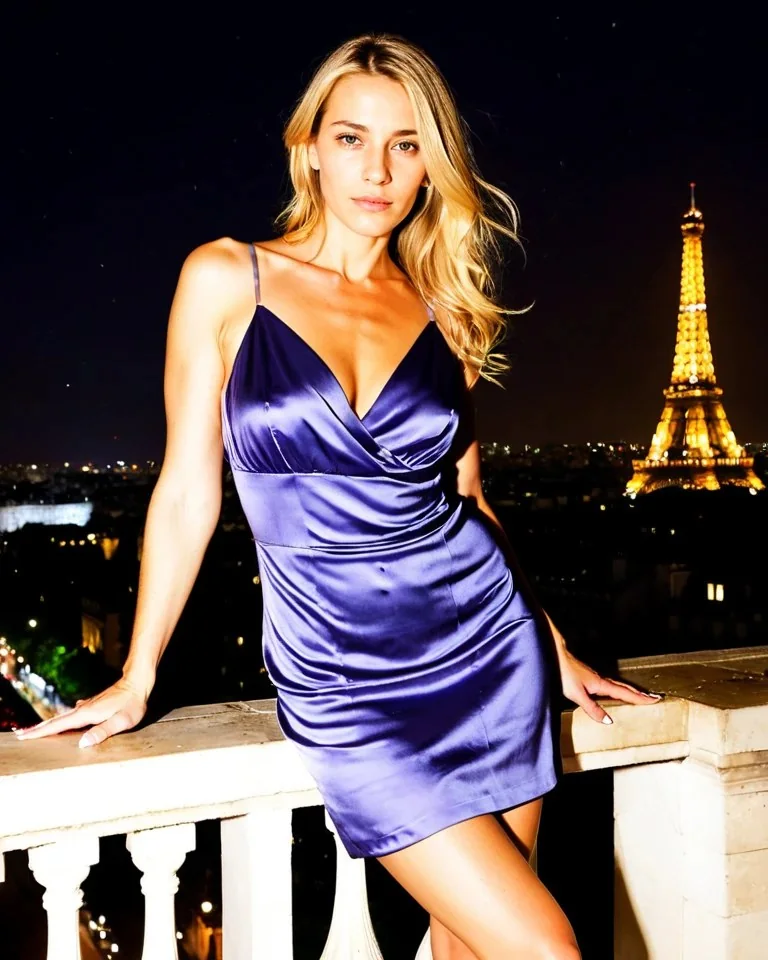
Not a profile or a real person.
A convincing image is not a record
A portrait can look photographic without documenting a real person or a real session. That distinction matters before a reader encounters the image, not several pages after it. If the image is generated, place a clear description beside it. “AI-generated editorial illustration” communicates more than a vague reference to digital art.
The portraits in FRAME X come from a supplied generated image library. They support discussions of light, framing and context. They are not photographs of interview subjects, customers or live performers. We do not give them names or quote them because there is no person behind the depicted identity whose experience we could report.
The caption carries responsibility
Small editorial choices can create a false story. A first name, a precise age or a line describing where someone works can make an illustration resemble a profile. A city in the background does not prove that a person lives there. A familiar landmark does not establish that a camera was present at that location.
Describe what the reader can actually see and state the image's role. A useful caption might describe an adult figure in an evening dress against a city skyline. If the skyline is recognizable, it can be discussed as part of the illustration. Do not turn that visual reference into a claim about a real visit, event or biography.
Keep the source separate from the story
A working image record should distinguish the source file, generation method, selected version and published variants. That record makes it easier to answer later questions about where an image came from. It also prevents a teammate from treating a fictional catalogue name as a verified identity.
When using a generated image beside factual content, make sure the layout preserves that boundary. An illustration placed immediately above a business name can imply it depicts the business even when the text never says so. Add a clear label, change the placement or use an appropriate source image instead.
The image may be invented. Its description should not be.
Use illustration where it helps
Generated portraits can demonstrate a colour relationship, a crop or a layout idea. They cannot establish that an event took place, that a service was used or that a person endorsed a product. Choose the medium according to the claim the page needs to make. If the claim depends on real-world evidence, an attractive illustration cannot do that work.
Our image credits and editorial approach explain the role of each library asset. The affiliated Afterglow Edit offers further reading on image culture. For actual adult-directory entries, consult their current source on ErotikMaps rather than inferring identity from an editorial image.