03 / The craft
Let one light do the work.
A simple approach to non-explicit evening portraits: choose the background, place one light, protect detail and keep the crop intentional.
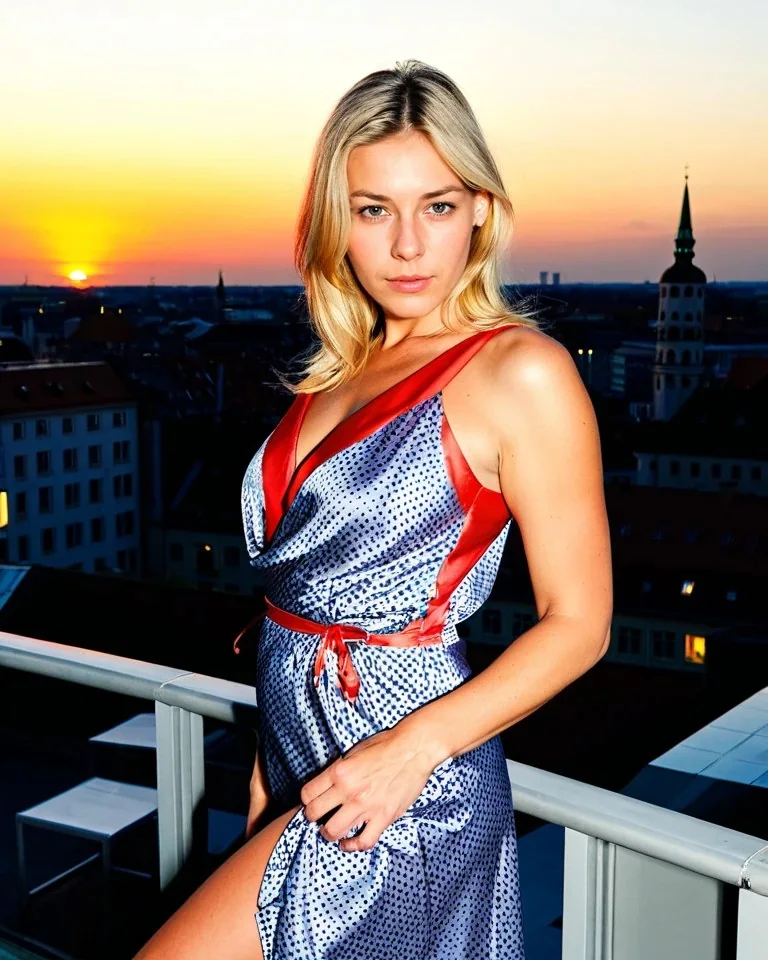
Not a profile or a real person.
Choose what stays quiet
Before adding a light, look at the background. A bright sign, an isolated window or a streetlamp can compete with the face. Moving the camera a few steps often solves the problem more effectively than adding another piece of equipment. Decide which part of the scene should hold attention and which parts can remain secondary.
For a simple evening portrait, begin with one main source. It might be a window before sunset, a lamp or a small diffused light. Turn the subject slightly and observe how the light moves across the face. The useful question is not whether the setup looks impressive, but whether the expression remains readable.
Expose for what matters
A camera can make the whole scene bright while losing the feeling that attracted you to it. Make a few test frames and review the highlights on skin and reflective fabric. If those areas become featureless, reduce the exposure or change the angle of the light. A satin dress may reflect a source much more strongly than the wall behind it.
Do not assume that every dark area needs to be lifted. Shadow gives the frame structure. Keep enough detail to avoid accidental shapes that distract from the subject, then let the rest of the scene recede. A quieter background can allow a small gesture or a slight turn of the head to become visible.
Give colour one job
When an image includes strong colour, decide what it contributes. A red sash can connect the subject to a distant warm light. A blue dress can separate the figure from a sunset background. Several competing colours may be interesting, but they need a reason to stay in the same frame.
Make colour decisions on the full image before testing a close crop. Then inspect the smaller versions a reader will actually see. An image that works as a full-width portrait can become confusing as a thumbnail. Reposition the crop so the face remains intact and the garment reads as part of the composition rather than an isolated detail.
A useful crop keeps the relationship between the person, the light and the setting.
Leave time for the person
Technical simplicity makes room for communication. Explain changes before moving equipment close to someone. Keep the subject comfortable while you test an exposure. The best frame is not worth a session in which the person feels unable to ask for a break or reject an image.
The illustrations on this page are generated colour studies, not records of a shoot using this setup. Read our note on permission before planning a session. The affiliated PEEP/PROOF journal discusses night photography and context; ErotikMaps is the network's separate source for current adult-directory records.